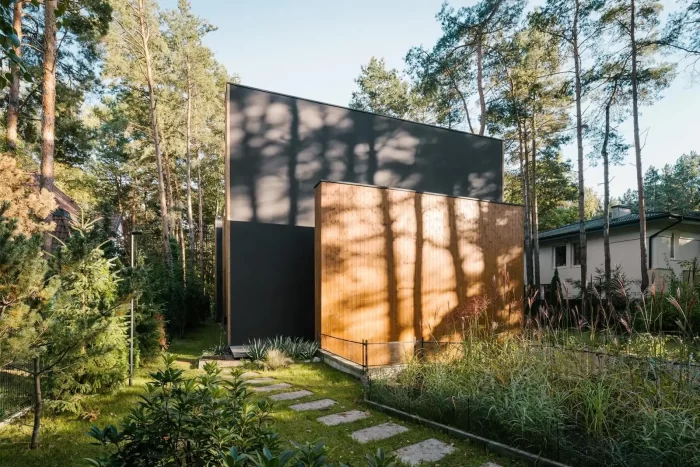
South Africa’s unique blend of cultures and history has resulted in a diverse architectural landscape. From traditional African huts to grand colonial buildings and modern skyscrapers, South African architecture is a fascinating mix of styles and influences. In an attempt to identify our current architectural style, we need to understand the evolution and our roots of South African architecture.
This blog article aims to explore the historical evolution of South African architecture and highlight its unique architectural characteristics as well as highlight our current architectural styles. By the end of this article, readers will have a better understanding of the country’s rich architectural heritage and the influence of its diverse cultural and historical background.
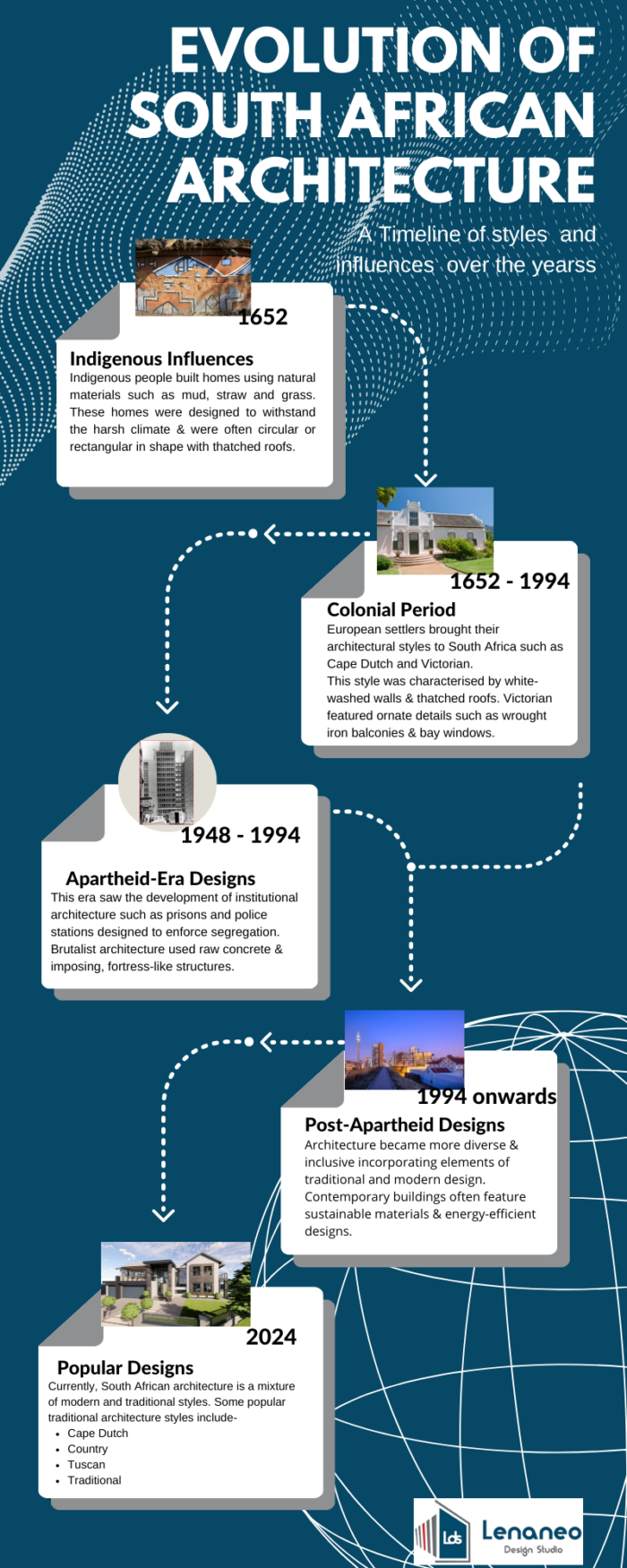
Historical Evolution Timeline of South African Architecture
South African architecture has a rich and diverse history that reflects the country’s cultural and historical influences. We will explore the main architectural styles that have shaped South African architecture throughout its history.

(1652) Indigenous Influences
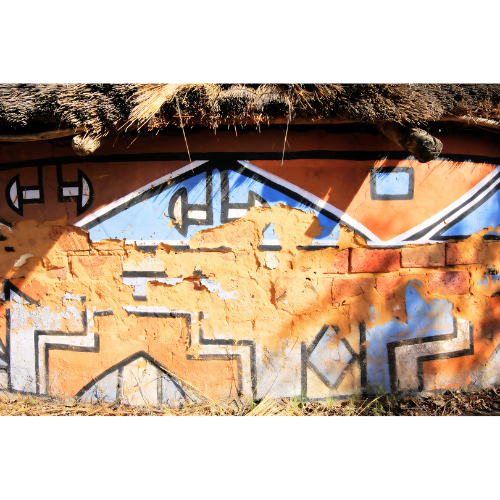
Before European settlers arrived in South Africa, indigenous people built homes using natural materials such as mud, straw, and grass. These traditional homes were designed to withstand the harsh climate and were often circular or rectangular in shape with thatched roofs. Indigenous architecture also included spiritual and cultural structures, such as the Zulu beehive hut, which is believed to have healing properties.

(1652 - 1994) Colonial Period
During the colonial period, European settlers brought their architectural styles to South Africa. The Dutch Cape Dutch style, characterized by white-washed walls and thatched roofs, was prevalent in the 17th and 18th centuries. Later, British Victorian and Edwardian styles became popular, featuring ornate details such as wrought-iron balconies and bay windows.
(1948 - 1994) Apartheid-Era Designs
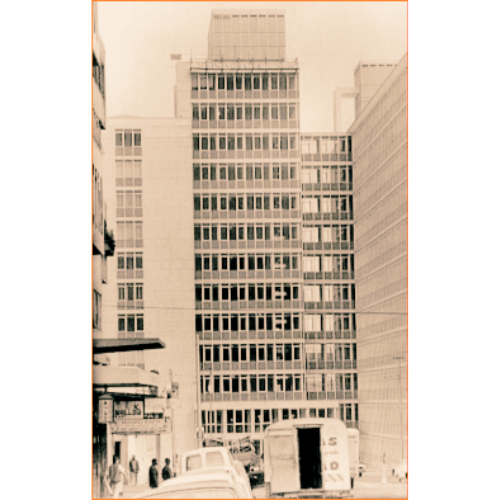
The apartheid era in South Africa ushered in the development of institutional architecture, such as prisons and government buildings, designed to enforce segregation. Brutalist architecture was also popular during this time, characterised by its use of raw concrete and imposing, fortress-like structures.

(1994 onwards) Post-Apartheid Designs
Following the end of apartheid, South African architecture became more diverse and inclusive, with architects incorporating elements of traditional and modern design. Contemporary buildings often feature sustainable materials and energy-efficient design, reflecting a growing awareness of environmental concerns. Overall, South African architecture is a fascinating mix of styles and influences, reflecting the country’s complex history and cultural diversity.
Other Influences
Materials and Construction
The materials used in South African architecture vary depending on the region and the availability of resources. Traditional African architecture often utilizes natural materials such as mud, thatch, and wood, while modern buildings may incorporate steel, glass, and concrete.
South African architecture also reflects the influence of colonialism, with many buildings constructed using imported materials such as brick and stone.
Climatic Adaptations
South Africa’s climate varies widely depending on the region, and architectural design must take this into account. In hot, dry regions, buildings may be constructed with thick walls and small windows to keep out the heat, while in cooler, wetter regions, buildings may be designed to maximise natural light and ventilation.
Many South African buildings also incorporate features such as verandas, courtyards, and shaded outdoor spaces to provide relief from the heat.
Cultural Symbolism
South African architecture is rich in cultural symbolism, reflecting the country’s diverse ethnic and linguistic groups. Traditional African architecture often incorporates symbolic elements such as intricate carvings, geometric patterns, and decorative motifs.
Modern buildings may also incorporate cultural symbolism, such as the use of indigenous materials or the incorporation of traditional design elements.
Contemporary Movements
Contemporary South African architecture is characterised by a focus on sustainability, innovation, and social responsibility.
Many architects are exploring new materials and construction techniques that minimise environmental impact, while others are incorporating social and cultural themes into their designs.
South African architecture is also increasingly influenced by global trends, with many architects drawing inspiration from international styles and movements. It is a pity that we cannot create our own unique design style but I am sure in the future this may become a reality.
Architectural Characteristics
A thatched roof hut surrounded by acacia trees in the savannah, with traditional tribal patterns adorning the walls and vibrant colors reflecting the local culture
South African architecture is a unique blend of traditional and modern styles, reflecting the country’s diverse cultural and historical influences. The architectural characteristics of South African buildings are shaped by a variety of factors, including the materials and construction techniques used, climatic adaptations, cultural symbolism, and contemporary movements.
In Summary
South African architecture is a rich and diverse field, reflecting the country’s complex history and cultural heritage. The materials, construction techniques, climatic adaptations, cultural symbolism, and contemporary movements that shape South African architecture are constantly evolving, creating a dynamic and vibrant architectural landscape.
When designing your new home take all these influences into account or get an Architectural firm like Lenaneo Design Studio to assist you with your project.
References
Website – https://rsaproperty.co.za/evolution-of-south-african-architecture/